-
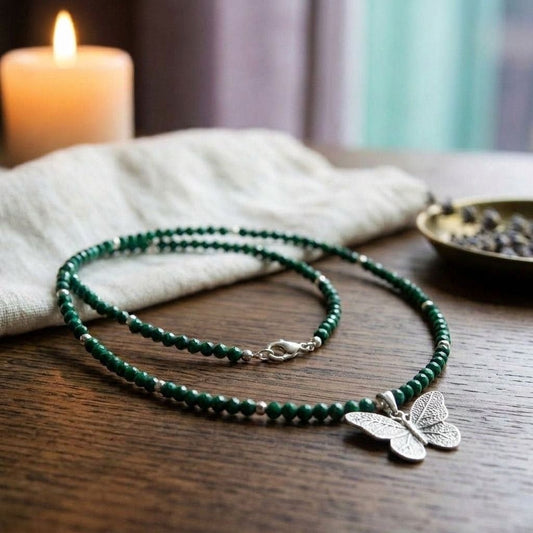
Faceted stone necklace with butterfly in real silver-tone leaf, 42 cm
Regular price From 23,90 €Regular price -
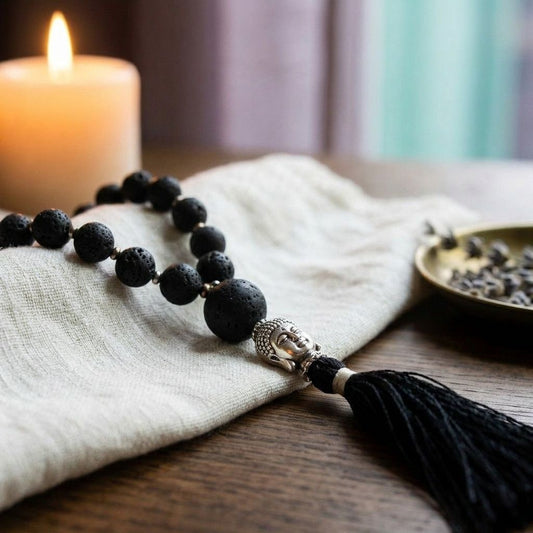
Long lava stone necklace, 42 cm, comes in a gift box with its card
Regular price From 22,90 €Regular price -
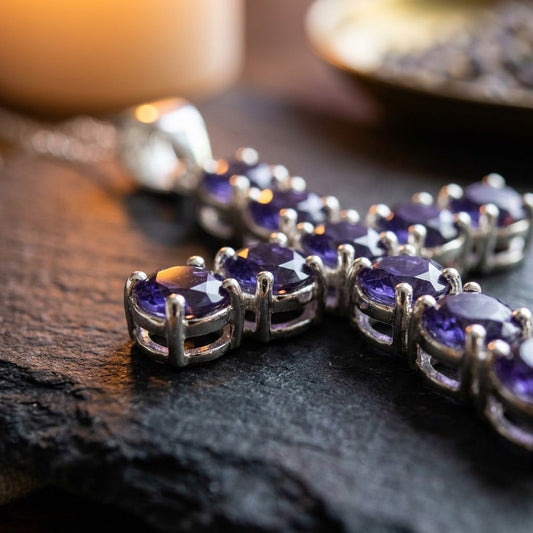
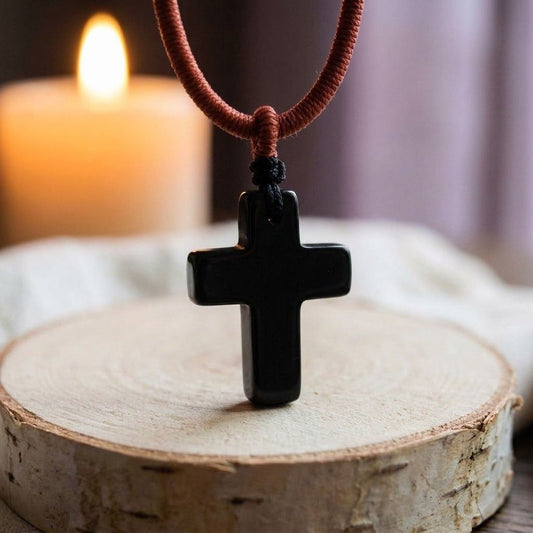
Silver-plated crosses set with faceted stones, 45 cm chain
Regular price 36,90 €Regular price -
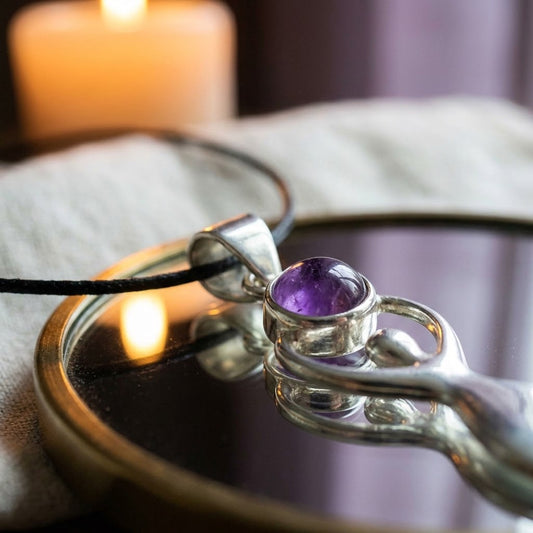
Silver-plated symbolic pendant on a 45 cm black cord
Regular price From 25,90 €Regular price -
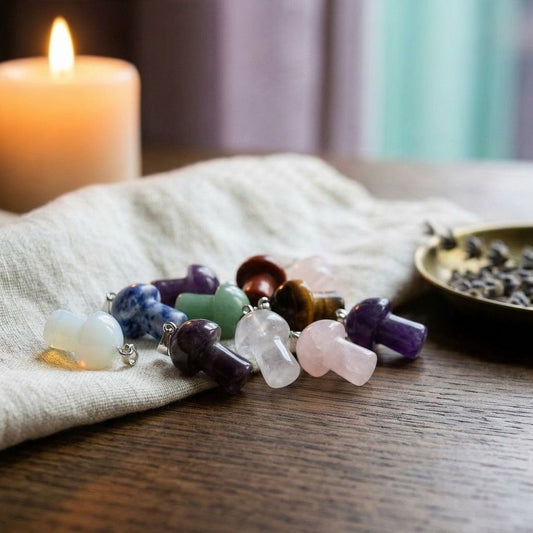
Set of 12 assorted carved stone pendants
Regular price From 20,90 €Regular price -
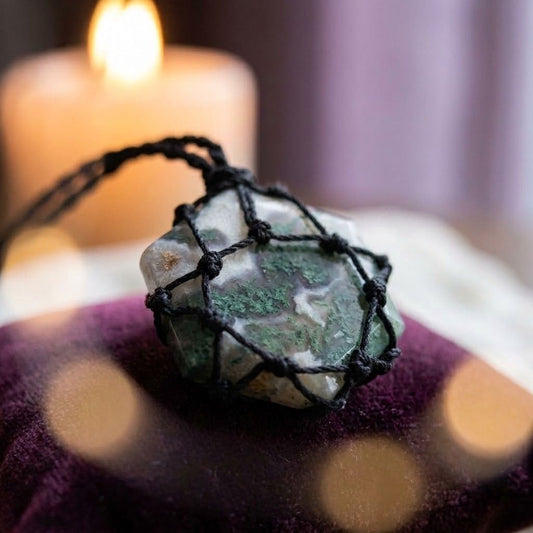
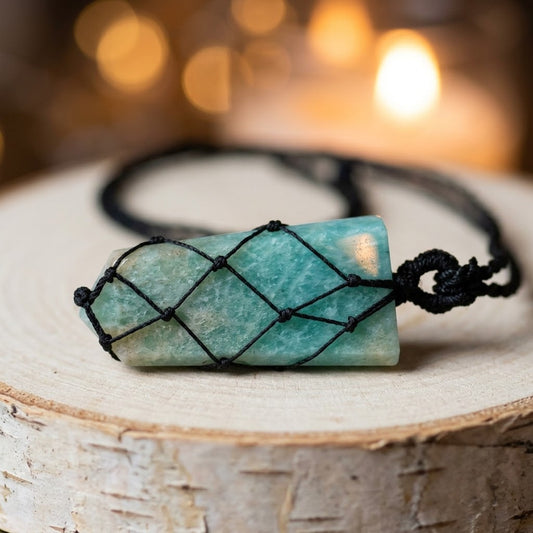
Necklace with hexagonal stone in a black cord net, adjustable cord
Regular price 19,90 €Regular price -
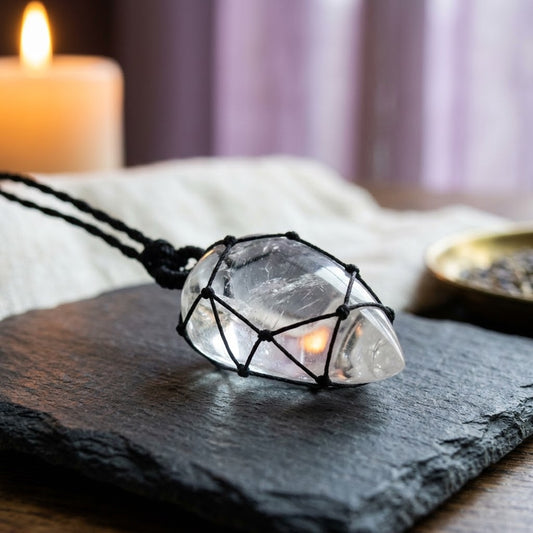
Necklace with drop-shaped stone in a black cord net, adjustable cord
Regular price 19,90 €Regular price -
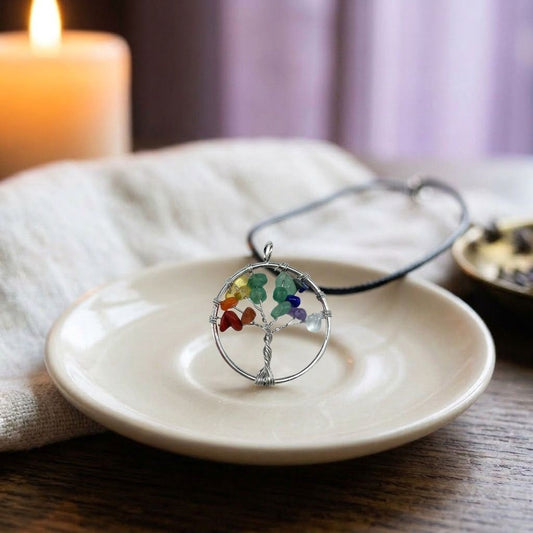
Stone chip Tree of Life pendant on a black cord, 3 cm
Regular price 14,90 €Regular price -
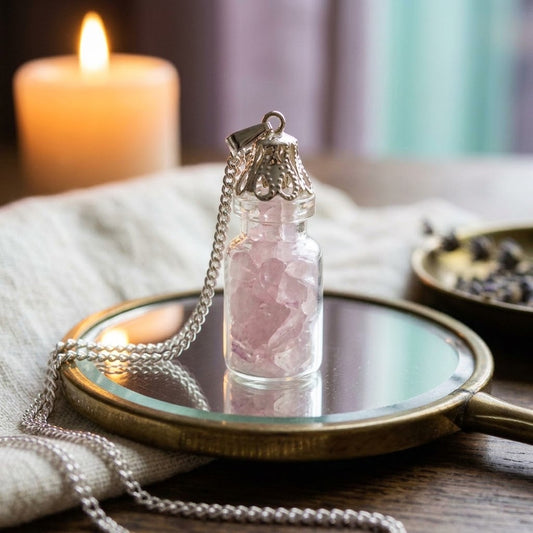
Glass vial necklace filled with stone chips, silver-plated chain
Regular price 22,90 €Regular price -
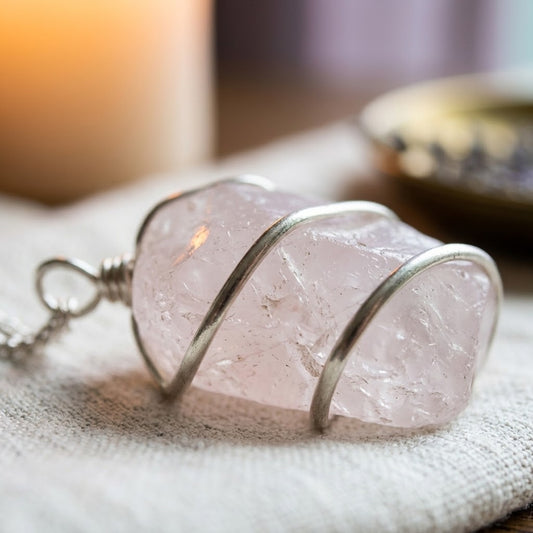
Raw stone pendant wrapped in silver-tone wire, on a chain
Regular price 22,90 €Regular price -
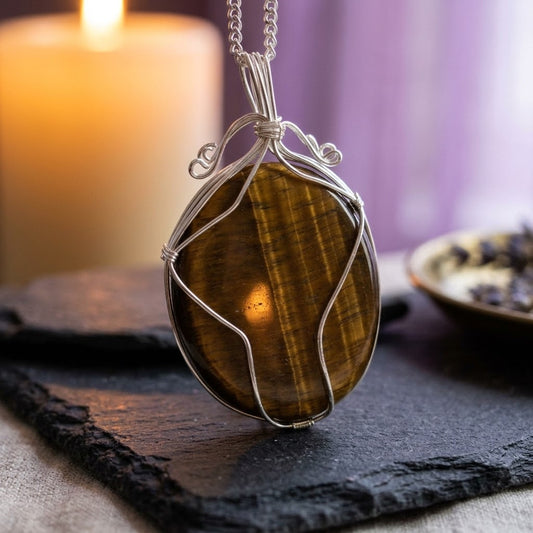
Oval cabochon pendant set with criss-cross silver-tone wires, on a chain
Regular price 26,90 €Regular price -
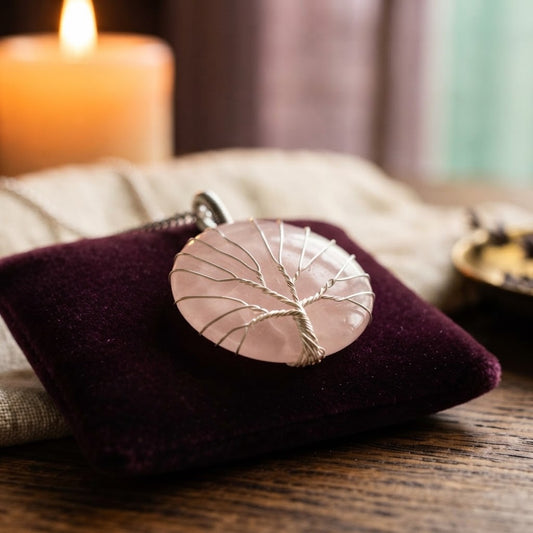
Silver-tone wire Tree of Life necklace around a stone cabochon
Regular price 26,90 €Regular price -
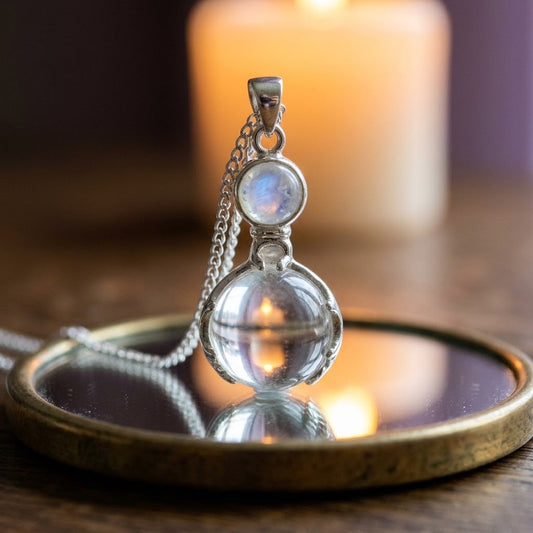
Stone sphere pendant held between two hands, silver-plated chain
Regular price 27,90 €Regular price -
Natural stone tablet pendant with silver-plated chain
Regular price 26,90 €Regular price -
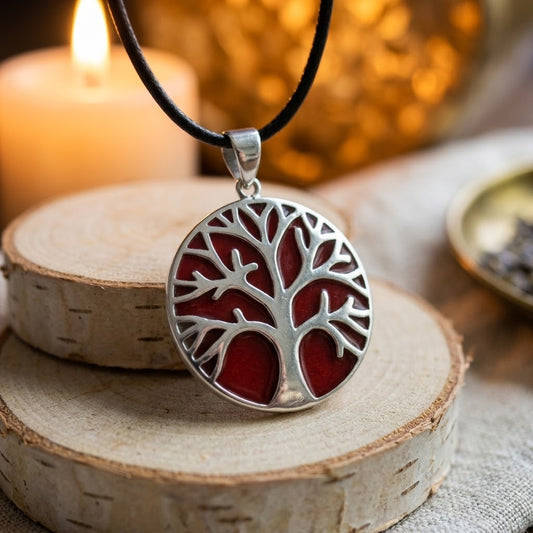
Openwork Tree of Life pendant, 925 sterling silver
Regular price From 28,90 €Regular price -
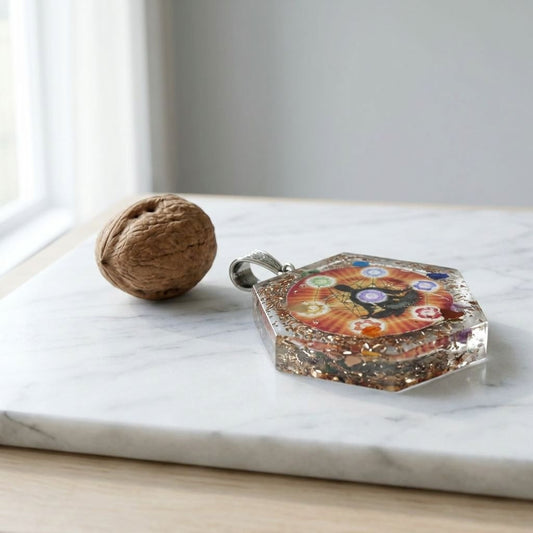
Orgonite pendant with stone chips and copper
Regular price From 17,90 €Regular price -
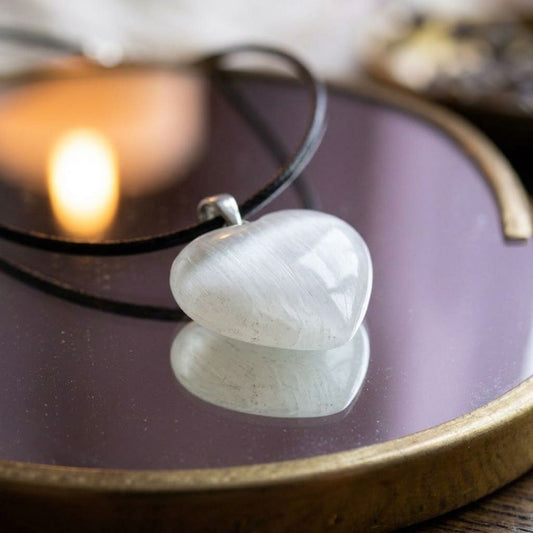
Selenite pendant
Regular price From 20,90 €Regular price -
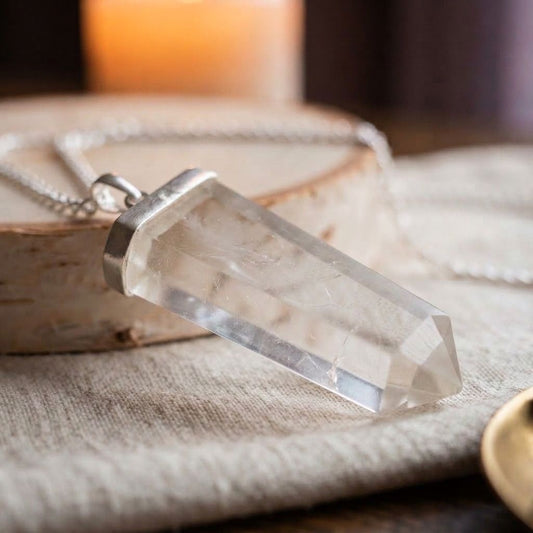
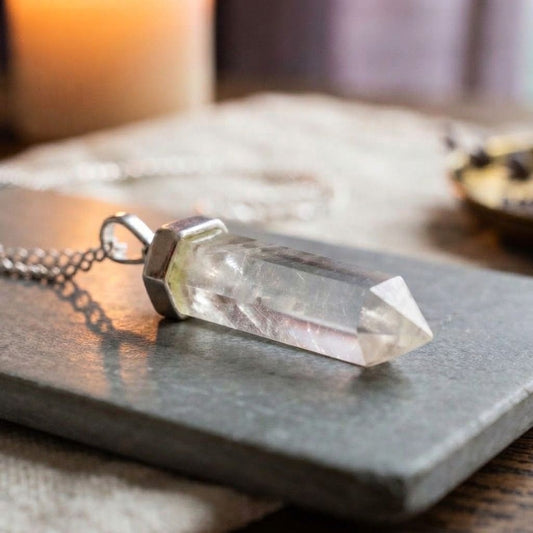
Natural stone point pendant with silver-plated chain
Regular price 22,90 €Regular price -
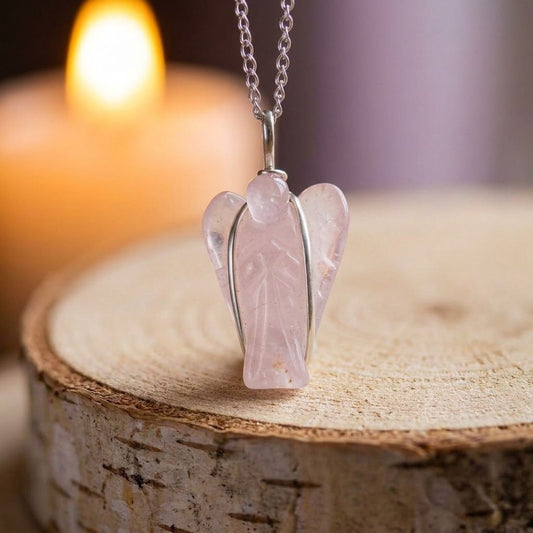
Guardian angel pendant carved in stone, silver-plated chain
Regular price From 24,90 €Regular price -
Necklace with flat stone point in a black cord net, adjustable cord
Regular price 19,90 €Regular price -
Adjustable cord necklace with small carved stone
Regular price From 21,90 €Regular price -
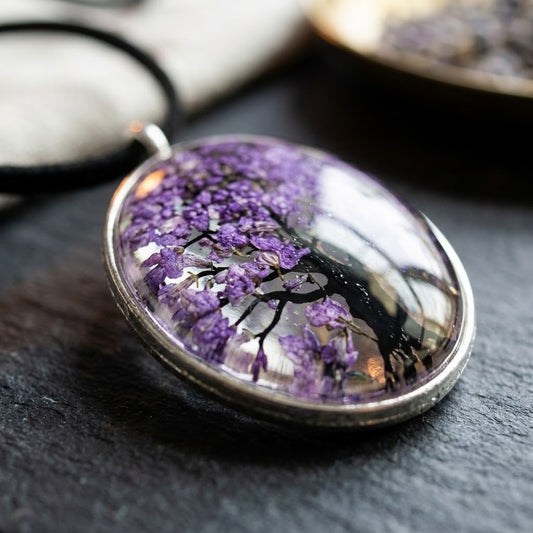
Matching jewellery set of necklace and earrings: Tree of Life with real pressed flowers under glass
Regular price 18,90 €Regular price -
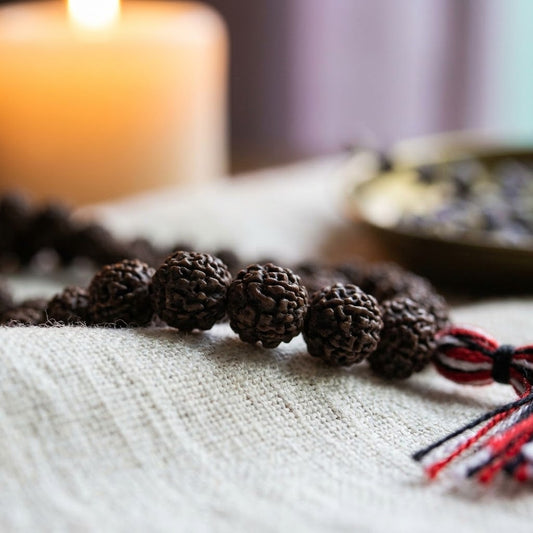
108-seed rudraksha mala with tassel
Regular price 15,90 €Regular price -
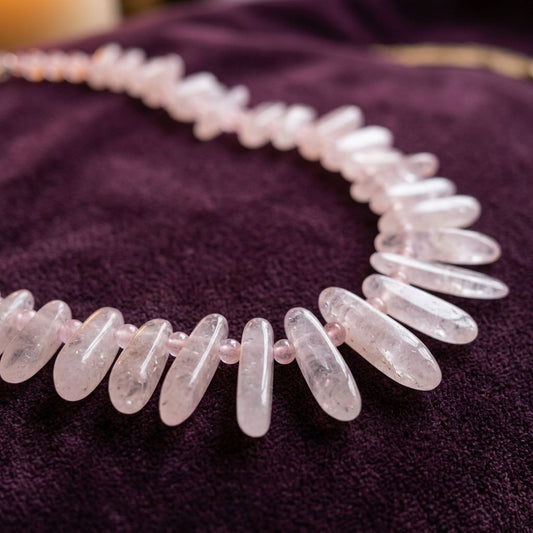
Choker of long stone chips and round beads, 44 cm
Regular price From 20,90 €Regular price
























More about this category
Necklaces and pendants together: chokers and bead necklaces, mala, lava necklaces, angel callers (harmony balls) and matching jewellery sets, but also stone pendants on a chain or cord, Trees of Life, angels, crosses, selenite and orgonite. A necklace is chosen for its length as much as for its stone; a pendant shows off a stone, and its chain or cord matter as much as the pendant itself.
A choker sits at around 35 to 40 cm, a short necklace falls towards the collarbone at around 41 to 46 cm, a mid-length style at around 47 to 55 cm, and longer lengths suit sautoirs (long necklaces) and layering. To find the right length, lay a thread where you would like the piece to fall, then measure that thread: rely on the centimetres on the product page rather than on the name.
- Measure your neck at the base, then decide where the piece should fall.
- For a pendant, check its height (bail included) and its weight: a heavy stone on a fine chain puts a strain on the links.
- Look at the material of the chain and the clasp if your skin is sensitive.
- Soft stones scratch: avoid knocks and rubbing against metal.
- Store each piece flat or in a pouch, separate from the others, to avoid tangles and scratches.
More pointers in our stone jewellery guide.
Silver-plated or 925 sterling silver
Silver-plated jewellery is metal covered with a thin layer of silver: it is perfectly wearable but wears away with water, sweat and perfumes. 925 sterling silver contains 92.5% silver. Selenite pendants do not tolerate water. Several pendants are sold without a chain: see the cords in our “Jewellery accessories” collection.
What length
Use a piece of thread to measure around your neck, or the length you want. A bead necklace is worn at a length of 42 to 44 cm; a mala is worn long or doubled over. Take your jewellery off before showering and before putting on perfume.
The meanings given are traditions and symbolism, presented for their cultural and personal interest. They are not promises of results and do not replace the advice of a health professional.