-
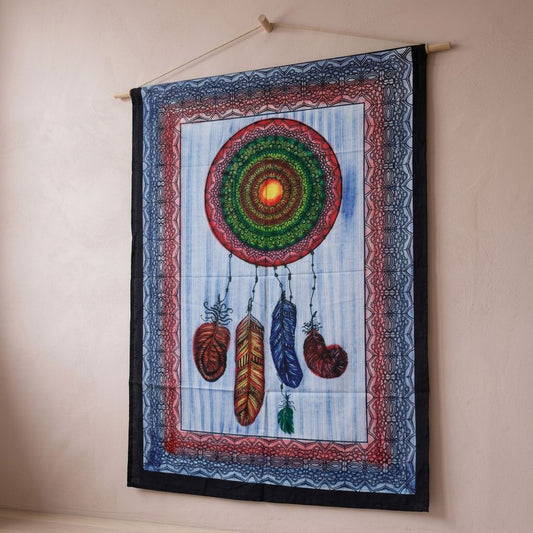
Brush-painted wall hanging with a mandala and feather dreamcatcher, cotton, approx. 78 x 112 cm
Regular price 24,90 €Regular price -
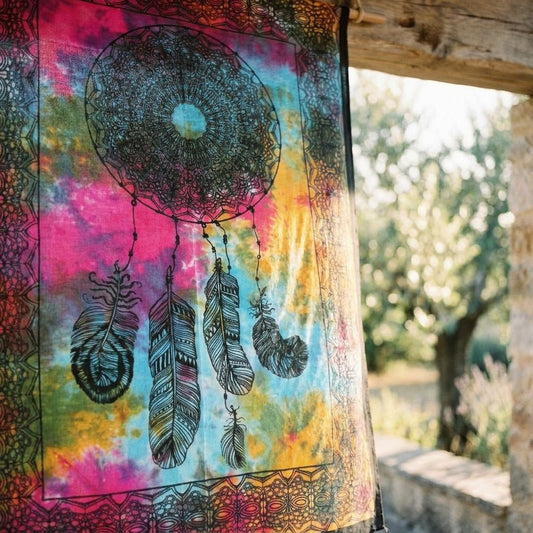
Cotton wall hanging printed with a dreamcatcher, bright colours, 78 x 112 cm
Regular price 18,90 €Regular price -
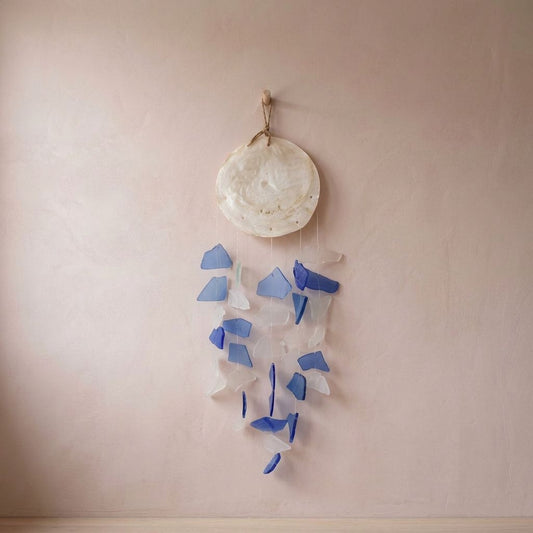
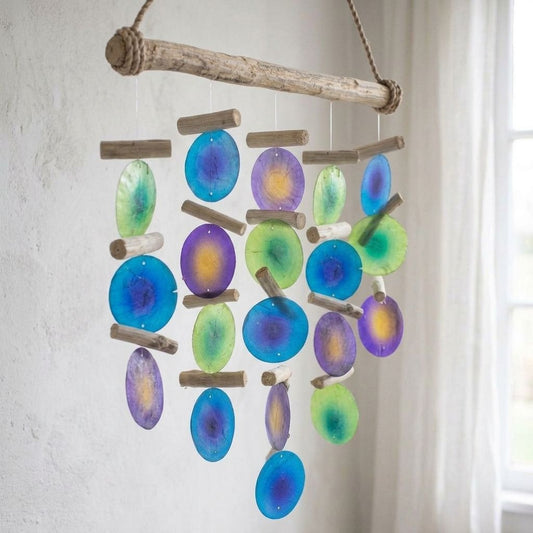
Recycled glass wind chime on a driftwood branch
Regular price From 36,90 €Regular price -
Recycled sea glass wind chime on driftwood
Regular price From 59,90 €Regular price -
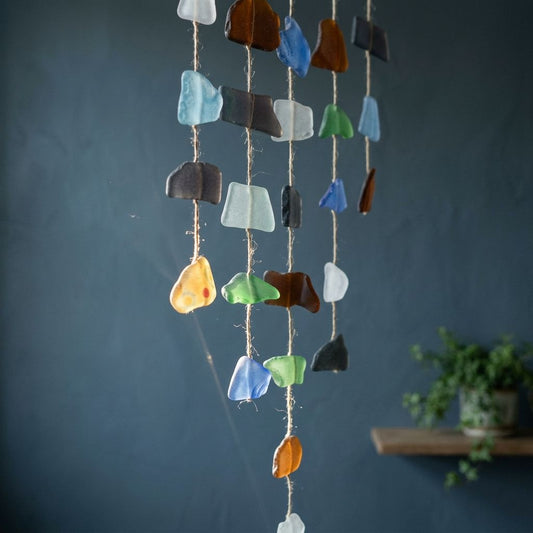
Polished recycled glass wind chime in long strands under driftwood
Regular price From 30,90 €Regular price -
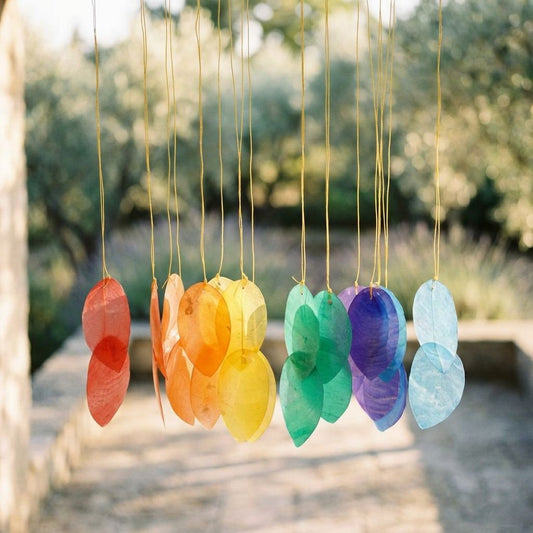
Driftwood and rainbow capiz leaf wind chime, three shapes
Regular price 30,90 €Regular price -
Driftwood and dyed capiz shell wind chime, strands of coloured discs
Regular price From 27,90 €Regular price -
Coconut shell and capiz shell wind chime
Regular price From 24,90 €Regular price -
Carved driftwood and capiz shell wind chime
Regular price From 29,90 €Regular price -
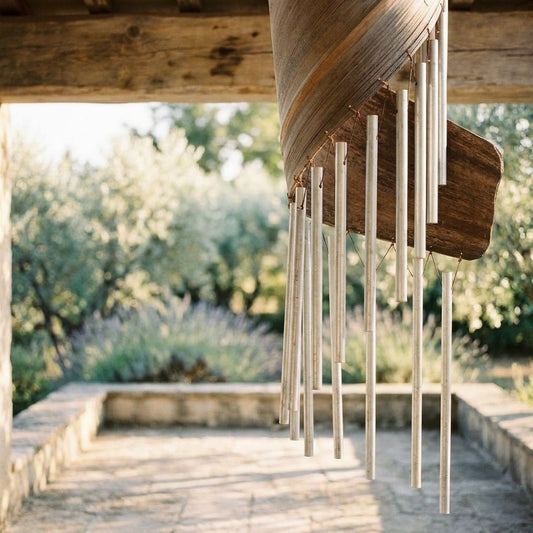
Twisted coconut leaf wind chime with metal tubes, natural or chocolate brown, 50 cm
Regular price 23,90 €Regular price -
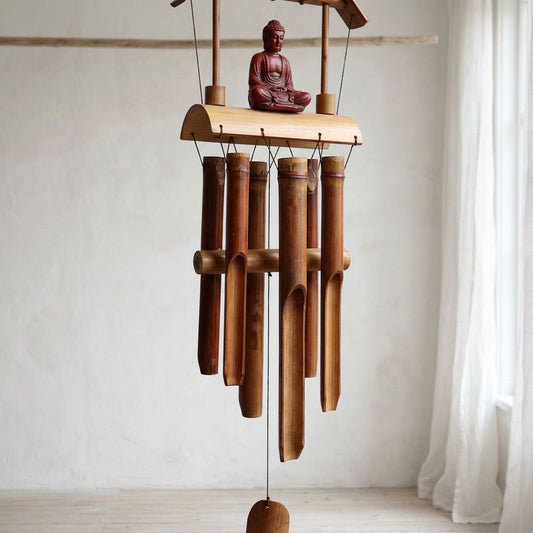
Bamboo wind chime with pagoda roof, small brown or black Buddha, six tubes
Regular price 28,90 €Regular price -
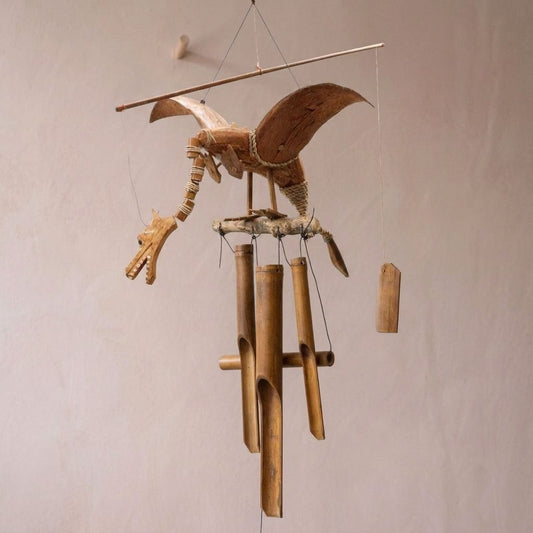
Bamboo and fibre wind chime, coconut bird or dragon, 105 to 115 cm
Regular price 24,90 €Regular price -
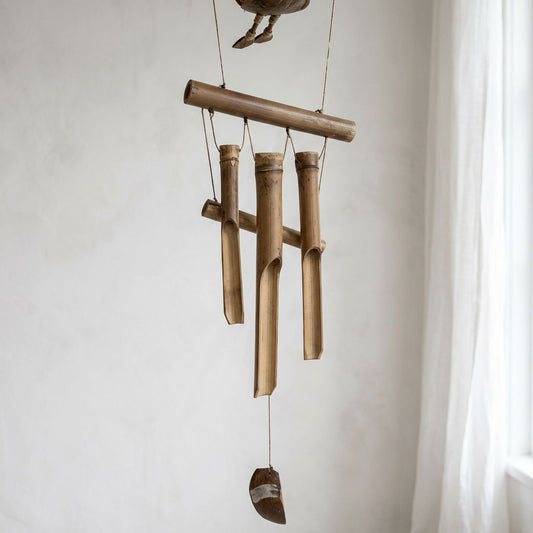
Bamboo wind chime with coconut flying dragon, 90 cm tall
Regular price 23,90 €Regular price -
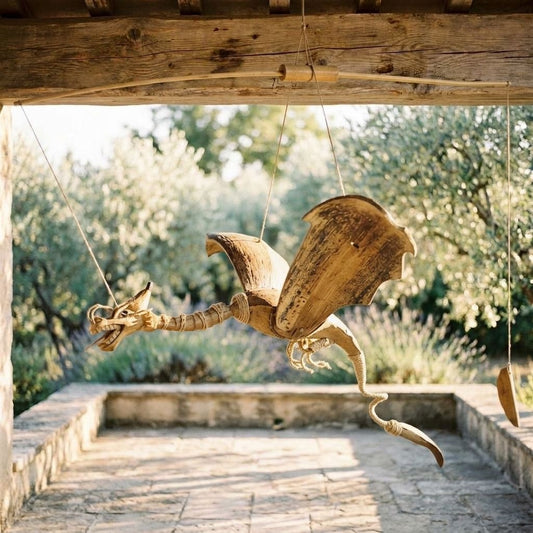
Large hanging coconut flying dragon, handmade, 46 cm
Regular price From 22,90 €Regular price -
Bamboo wind chime topped with a coconut bird
Regular price 18,90 €Regular price -
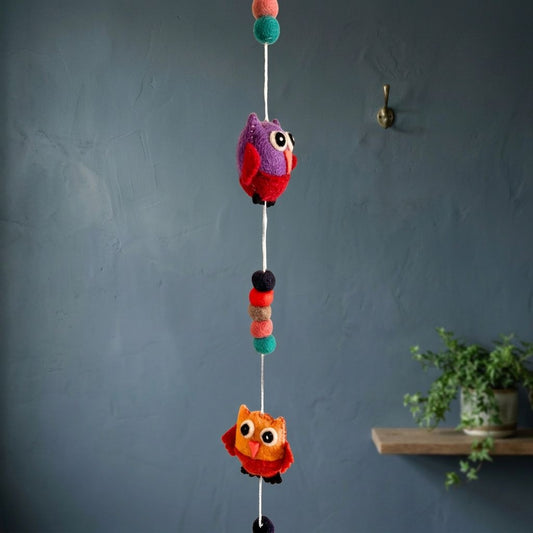
Handmade felt hanging garland, 110 cm
Regular price From 23,90 €Regular price -
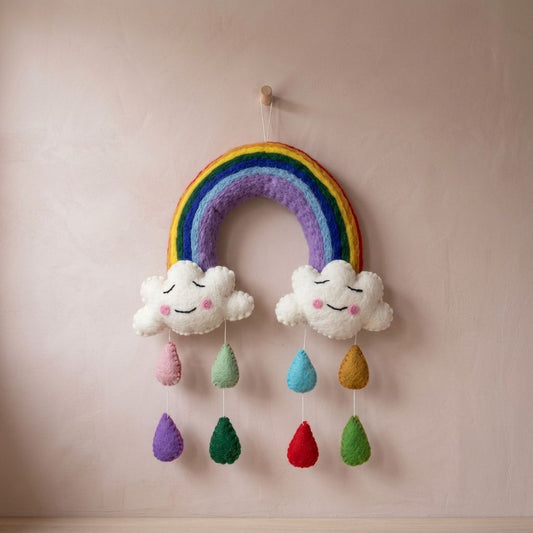
Rainbow felt hanging decoration with clouds and raindrops
Regular price 25,90 €Regular price -
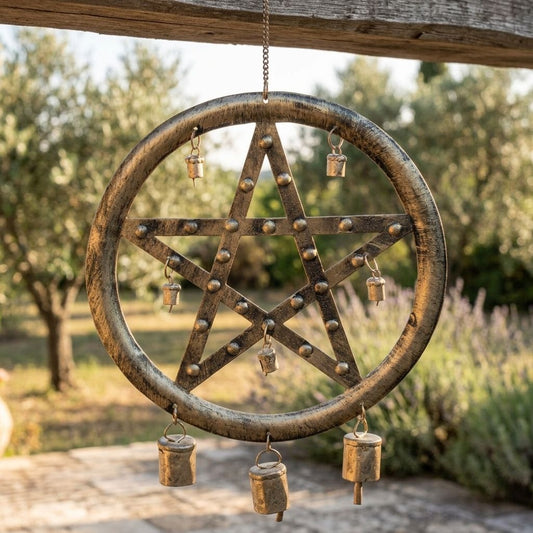
Brass-plated iron pentacle wind chime with cowbells, 25 x 49 cm
Regular price 23,90 €Regular price -
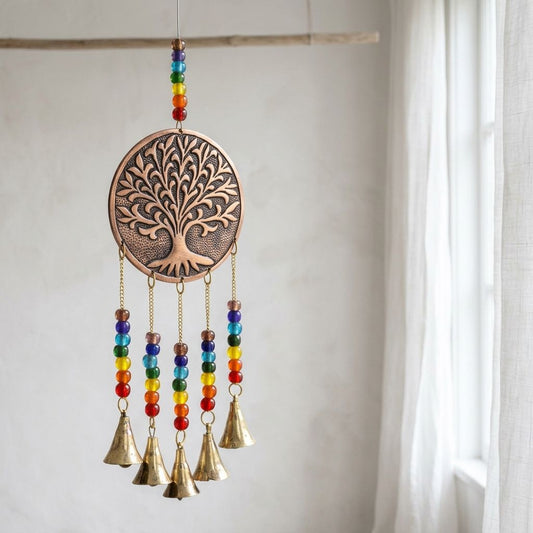
Tree of Life disc wind chime, chakra beads and five small bells, 36 cm
Regular price 28,90 €Regular price -
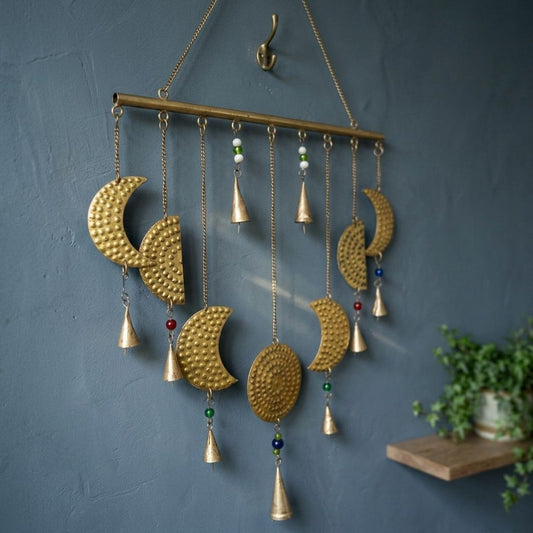
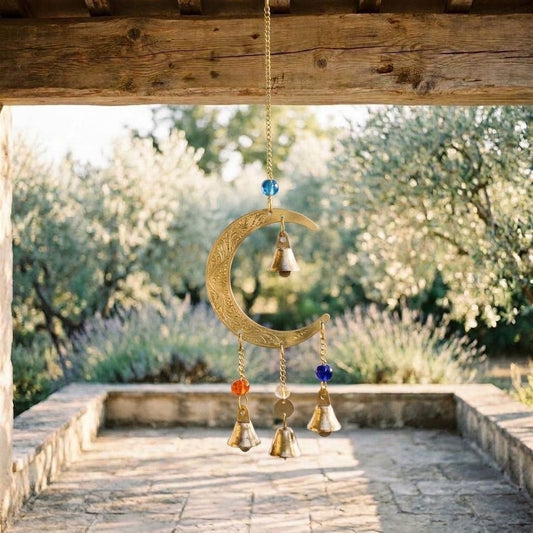
Brass moon phases wind chime, gold-tone bar, 43 cm
Regular price 34,90 €Regular price -
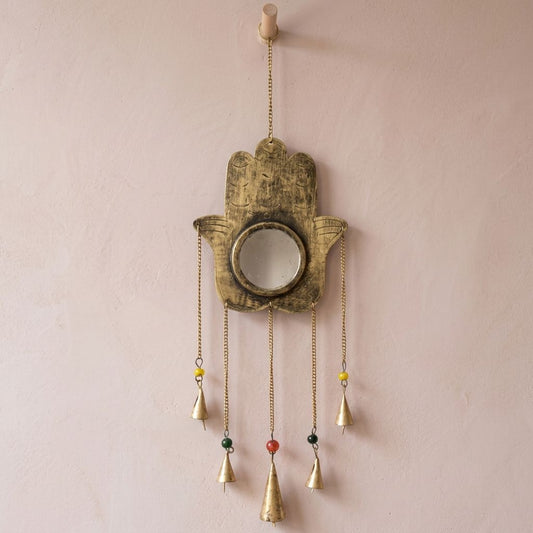
Brass wind chime with round mirror: Hand of Fatma or elephant
Regular price 27,90 €Regular price -
Cascading brass and glass bead wind chime
Regular price From 28,90 €Regular price -
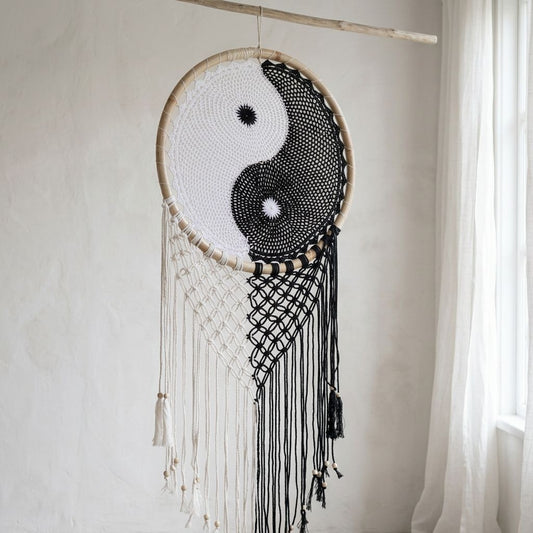
Extra large black and white macramé yin and yang dreamcatcher, 135 cm
Regular price 81,90 €Regular price -
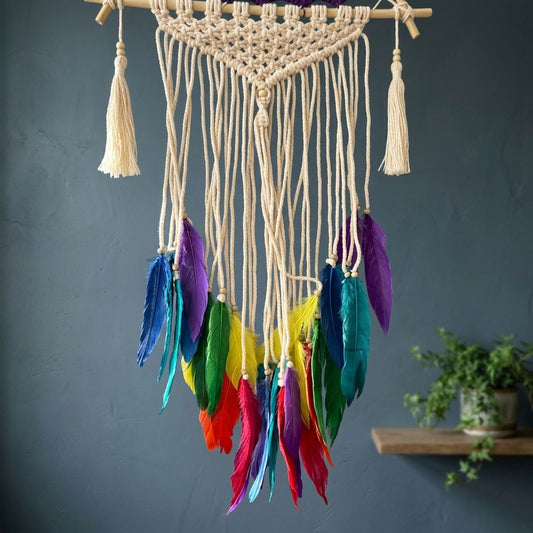
Rainbow crochet dreamcatcher with coloured feathers, pyramid or drop
Regular price From 29,90 €Regular price

























More about this category
The dreamcatcher originated among the Ojibwe (Anishinaabe) of North America: a hoop woven with a net, decorated with feathers and beads, traditionally associated with protecting children's sleep. Other nations and many craftspeople then turned it into a very widespread object. We present it with respect for this origin, as a decorative and symbolic object, with no promise about sleep.
It is hung in a window, above a bed or on a wall, depending on its size.
- Small size (about 10 to 15 cm): window, car, shelf.
- Medium size (about 20 to 30 cm): bedroom, wall of a quiet corner.
- Large size: wall or entrance decoration.
- For a child's bedroom, avoid threads and small beads within reach or above a cot.
Choosing your dreamcatcher
- Small size: for a corner of a bedroom, or as a gift.
- Large size: a wall decoration, above a bed.
- Without feathers: the crochet and cotton styles.
The dreamcatcher comes from the Ojibwe, Indigenous peoples of North America; our styles are contemporary creations inspired by this tradition, which has no demonstrated effect on sleep.
The meanings given are traditions and symbolism, presented for their cultural and personal interest. They are not promises of results and do not replace the advice of a health professional.